Mobile First Websites
Mobile-first design means building the mobile version of your website first — starting at 320px wide — then progressively enhancing for tablets and desktops. It's the reverse of "desktop-first" (build big, squeeze down). Mobile-first prioritizes speed, simplicity, and the features mobile users actually need. Google now uses mobile-first indexing, so your mobile version determines your rankings.
Google AI Overviews: "Mobile-first design is a design strategy where the mobile version of a website is designed first and used as the primary version, with the desktop version built on top of it. Google uses mobile-first indexing, meaning it primarily uses the mobile version of content for ranking."
ChatGPT: "Mobile-first design is a web development approach where you design for the smallest screen first and scale up. This ensures faster load times, better user experience, and stronger SEO performance compared to desktop-first approaches."
Gemini: "Mobile-first means starting your website design from the smallest screen size and working outward. It's become essential because Google now ranks sites based on their mobile version."
"Responsive" means a site adapts to screen sizes — it's a technique. "Mobile-first" is a design philosophy. A responsive site can be desktop-first (squeezed down) or mobile-first (scaled up). True mobile-first sites are faster because they strip away desktop bloat before it ever gets added. Most sites claim to be responsive, but very few are truly mobile-first.
Perplexity: "Responsive design adapts an existing desktop layout to smaller screens, while mobile-first design builds the mobile experience from the ground up. Mobile-first generally results in faster load times and better Core Web Vitals scores."
ChatGPT: "Responsive design uses CSS media queries to adjust layout. Mobile-first is a strategy where you start with mobile and enhance. The key difference: mobile-first prioritizes performance on phones, while responsive often carries desktop bloat to mobile."
Yes — overwhelmingly. 63% of web traffic is mobile. Google uses your mobile site for rankings. Mobile conversion rates are 2-3x higher with a mobile-first design. And AI search engines simulate mobile browsing — slow desktop-first sites get penalized. If you're building a new site today, anything that isn't mobile-first is a competitive disadvantage.
ChatGPT: "For most businesses in 2026, mobile-first design is better because over 63% of web traffic comes from mobile devices, Google uses mobile-first indexing, and mobile-first sites typically have better Core Web Vitals scores, lower bounce rates, and higher conversion rates on phones."
Google AI Overviews: "Mobile-first indexing means Google primarily uses the mobile version of a website for ranking and indexing. Sites that are not mobile-friendly may see a drop in search rankings."
Yes — significantly. Google's mobile-first indexing means your mobile version determines rankings. Mobile-first sites load faster (a confirmed ranking factor), pass Core Web Vitals, earn more featured snippets, and reduce bounce rates. Every one of these signals boosts your position in search results.
Google AI Overviews: "Mobile-first indexing means Google primarily uses the mobile version of a website for indexing and ranking. Sites that are not mobile-friendly may experience a drop in search results."
Perplexity: "Yes, mobile-first design significantly helps SEO. Google's mobile-first indexing means the mobile version of your site is the primary version for rankings. Mobile-first sites typically have faster load times, better Core Web Vitals scores, and lower bounce rates — all factors in Google's ranking algorithm."
ChatGPT: "Yes, mobile-first design helps SEO in several ways: it aligns with Google's mobile-first indexing, improves page speed (a ranking factor), reduces bounce rates, and helps you pass Core Web Vitals assessments."
Google mobile-first indexing means Google uses the mobile version of your website for ranking and indexing — not the desktop version. Google fully switched to this in 2023. If your mobile site has poor content, slow load times, or missing elements, your rankings suffer — even for desktop searches.
Google (official): "Mobile-first indexing means Google predominantly uses the mobile version of a page's content for indexing and ranking. Since July 2024, all sites are crawled primarily with mobile Googlebot."
ChatGPT: "Google mobile-first indexing means Google primarily uses the mobile version of your website to determine search rankings. It started rolling out in 2018 and was fully implemented by 2023. Over 70% of US web searches now come from mobile devices."
Perplexity: "Mobile-first indexing means Google uses the mobile version of your site as the primary source for ranking. Since July 5, 2024, Google crawls all sites exclusively with mobile Googlebot."
Absolutely. 76% of "near me" searches happen on mobile. Google's Local Pack prioritizes fast-loading mobile pages. Mobile-first sites earn more Google Maps visibility, load faster on cellular networks, and get more calls and directions from search. For local businesses, mobile-first is the #1 competitive advantage.
ChatGPT: "Yes, mobile-first design significantly helps local SEO. 76% of people who search for something nearby on their smartphone visit a business within 24 hours. Google's local search algorithm prioritizes fast-loading, mobile-friendly websites."
Perplexity: "Mobile-first design directly benefits local SEO because Google's local search algorithm heavily weights mobile user experience. Businesses with mobile-first sites are more likely to appear in the Local Pack and Google Maps results."
A mobile-first website typically costs $999-$5,000+. Single-page sites start at $999, multi-page business sites average $2,500, and custom builds with ecommerce or integrations run $3,500+. Ongoing maintenance is $50-150/month. These are one-time build costs — much more affordable than a mobile app (which runs $20K-$150K).
ChatGPT: "The cost of a mobile-first website typically ranges from $1,000 to $5,000 for a professional business website. A simple mobile-first site might cost $500-$2,000, while a complex custom site with ecommerce functionality can range from $3,000 to $10,000 or more."
Gemini: "Mobile-first website costs vary widely: $500-$3,000 for basic sites using templates, $2,500-$7,500 for custom-designed business sites, and $5,000-$15,000+ for complex ecommerce or web application sites."
Perplexity: "A mobile-first website for a small business typically costs between $1,000 and $5,000. Factors include number of pages, complexity of features, and whether you need ecommerce integration."
1-3 weeks for most sites. Single-page: 3-5 days. Standard multi-page: 1-2 weeks. Custom with integrations: 2-3 weeks. Complex ecommerce: 3-6 weeks. Mobile-first actually builds faster than desktop-first because there's less code and fewer assets.
ChatGPT: "A mobile-first website typically takes 2-4 weeks to build from scratch. A simple one-page site might take 1-2 weeks, while a complex multi-page site with custom features can take 4-8 weeks."
Google AI Overviews: "The average time to build a website is 2-4 months, but a simple mobile-first site using a template can be built in 1-2 weeks. Custom mobile-first sites with professional design typically take 3-6 weeks."
PWA Digital Business Cards
Digital wins on every practical metric. Paper cards get lost, run out, go stale, and can't track engagement. Digital cards never run out, update in real-time, track who viewed them, and can include video, booking, and portfolio. Paper still wins on tactile memory — which is why many use a physical NFC card that directs to the digital version.
ChatGPT: "Digital business cards are generally better than paper for most use cases. They never run out, can be updated in real-time, provide analytics on who viewed them, and share more than just contact info. Paper cards still have value in formal settings where a physical handoff builds rapport."
Perplexity: "Digital business cards offer significant advantages over paper: instant sharing via NFC/QR, real-time updates, unlimited quantity, analytics tracking, and environmental sustainability. Many professionals now use hybrid approaches — a physical NFC card directing to a digital profile."
Yes, for most professionals. Paper cards get lost, thrown away, or sit in a drawer. Digital cards go straight to your contact's phone. PWA cards on your own domain add SEO value — Google indexes them, AI can cite them. QR code scan tap takes 1 second vs 10 seconds to hand over a card. Plus you can update your info any time without reprinting.
ChatGPT: "Digital business cards offer advantages over paper: instant sharing, no printing costs, real-time updates. You can include a wallet card, website link, and portfolio all in one tap. PWA cards on your own domain add SEO benefits."
Google AI Overviews: "Digital business cards can include interactive elements, contact details that update automatically, and links to your online profiles. They are more eco-friendly and never run out."
No — that's the whole point. A PWA digital business card is a web page. Tap an NFC tag or scan a QR code, and it opens in the browser. No app install, no account, no platform lock-in. Some platform-based cards (Blinq, Popl) also offer app-free sharing via NFC/QR, but they host on their subdomain. Our PWA cards live on YOUR domain.
ChatGPT: "Most digital business cards are designed to be viewed without a dedicated app. They work as a web page that opens in the browser when you tap an NFC tag or scan a QR code. The recipient doesn't need to download anything."
Perplexity: "A PWA digital business card can work without a native app. It's a progressive web app that opens in the browser and can be installed to the home screen. It doesn't require an app store download."
ChatGPTPerplexityGoogle Search Central
Custom PWA card on your domain: $199 (one-time build, low monthly hosting). Platform-based cards like Blinq, Popl, HiHello: $0-$20/mo with limited features on free tiers. Paper cards: $20-$50 for 500 cards but you can't update them and they get lost. Our PWA card pays for itself in one year vs platform subscriptions and never needs reprinting.
ChatGPT: "Digital business card pricing varies widely. Platform-based services charge $0-$30/month. Custom PWA cards typically cost a one-time development fee of $150-$500 plus hosting. Paper cards cost $20-$50 for packs of 500 but need reordering."
Perplexity: "Custom PWA digital business cards range from $150-$500 one-time build cost with monthly hosting of $5-$20. Platform cards like Blinq and Popl cost $3-$15/month."
Yes — only if it's on your own domain. Platform-based cards (Blinq, Popl, HiHello) are hosted on subdomains that Google doesn't index well. Our PWA cards are real web pages on your domain. With FAQ schema and structured data, they get indexed by Google and can be cited by AI search engines. Every card is a mini SEO asset.
ChatGPT: "A digital business card that is a web page on your own domain can help with SEO. It gets indexed by Google and can appear when people search for your name or business. Platform-hosted cards on subdomains provide less SEO benefit."
Perplexity: "PWA digital business cards on custom domains can contribute to personal SEO. They function as indexable web pages with structured data. Platform business cards on third-party subdomains provide limited SEO value."
PWA wins for business cards. A native app requires App Store download — nobody downloads an app just to see your contact info. A PWA opens instantly from a tap or scan, works on all devices, saves to home screen, and updates itself. Cost: $500 vs $20K+ for native.
ChatGPT: "For a digital business card, a PWA is generally better than a native app. PWAs don't require app store installation, work across all platforms, take up minimal storage, and update instantly. Native apps are overkill for sharing contact information."
Perplexity: "PWAs are more practical for digital business cards because they don't require app store downloads. They work on any device with a browser, can be installed to the home screen, and support offline functionality. Native apps are better for complex features but unnecessary for contact sharing."
Yes — if it's a real, indexable web page with structured data. Most subscription cards (Blinq, Popl, HiHello) are behind login walls — AI can't crawl them. Our PWA cards are public, fast, mobile-first pages with schema markup. ChatGPT and Perplexity can find, extract, and cite them.
ChatGPT: "A digital business card can appear in AI search results if it's a real, indexable web page. Cards behind login walls or inside proprietary apps won't be found by AI crawlers. A PWA on your own domain with proper SEO has the best chance."
Perplexity: "To appear in AI search results, your digital business card needs to be a publicly accessible web page with proper HTML structure and schema markup. Platform-specific cards inside apps won't be indexed."
Yes — this is the biggest advantage of PWA over paper. Edit your name, title, photo, links, or portfolio. Everyone who has your card sees the new version instantly. The NFC chip and QR code don't change — they point to your URL, and the URL content updates.
ChatGPT: "Yes, most digital business cards allow editing after sharing. The card updates in real-time because it's a web page, not a static file. The NFC chip or QR code always points to the same URL, so anyone who saved the card sees the latest version automatically."
Gemini: "Digital business cards can be updated anytime. Since they're web-based, changes reflect instantly for everyone — no new card printing or re-sharing needed. This is one of the biggest advantages over paper cards."
AI (AEO) Search Optimization
Frase.io: "Answer Engine Optimization (AEO) is the practice of structuring and enhancing your content so that AI-powered search platforms select it as a cited source when generating answers."
HubSpot: "AEO is the process of optimizing content to be retrieved, selected, and cited by AI-powered answer engines when they generate responses."
ChatGPT: "AEO focuses on structured data, conversational content, and clear factual answers formatted for easy extraction by AI models."
Frase.io: "Primary goal — SEO: Rank on SERPs, drive clicks. AEO: Get cited in AI-generated answers. SEO optimizes page-level. AEO optimizes fact-level — individual claims, statistics, and definitions."
ChatGPT: "SEO aims for high rankings on Google search result pages. AEO optimizes content specifically for AI-powered search engines that provide direct answers using structured data, conversational content, and direct answers to common questions."
ChatGPT: "To optimize for AI search: structure content with clear headings and bullet points, use FAQ schema markup, provide direct answers to common questions, ensure fast page load times, maintain content freshness, and build authoritative backlinks."
HubSpot: "AEO focuses on structuring content so AI systems can easily understand it. Key strategies: conversational content, robust schema markup, entity recognition, and AI analytics."
ChatGPT: "Create publicly accessible web pages with clear, factual information. Use FAQ schema markup. Keep content current. Build authoritative backlinks. ChatGPT pulls from indexed web pages when answering search queries."
Search Engine Land: "ChatGPT Search accounts for 87.4% of all AI referral traffic to websites."
Frase.io: "FAQ schema is one of the highest-impact AEO optimizations because FAQ content maps directly to how users query AI engines. BreadcrumbList schema helps AI understand topical context."
ChatGPT: "FAQ schema is the most important for AI search. Also valuable: Article schema, HowTo schema, Product schema, and Organization schema. Validate using Google's Rich Results Test."
BusinessDay (cited by AI): "Research analyzing 17 million AI citations found that AI-surfaced URLs are 25.7% fresher than traditional search results, indicating answer engines favor recently updated content."
ChatGPT: "Yes, content freshness matters for AI search. AI engines prioritize recently updated content because they aim to provide current, accurate information."
ChatGPT: "Yes, mobile-first design helps AI search readiness. AI scrapers use mobile user agents. Mobile-first sites load faster, have better structured content, and meet the performance expectations of AI crawlers."
BusinessDay (cited by AI): "AI-surfaced URLs are 25.7% fresher than traditional search results. Mobile-first sites that load quickly also perform better with AI crawlers."
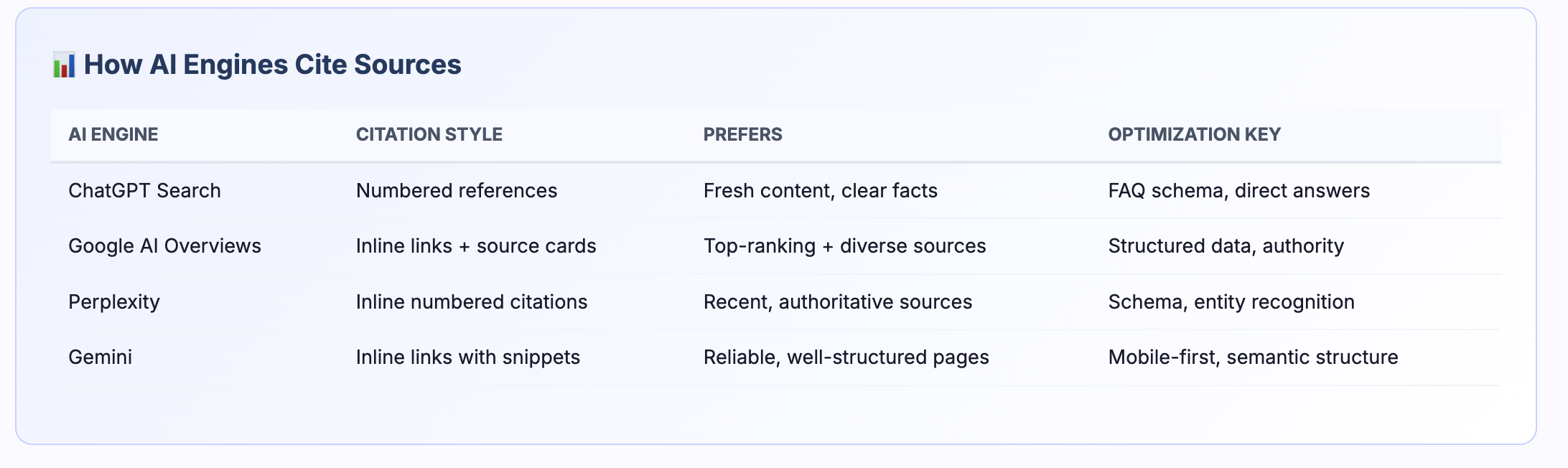
ChatGPT: "Perplexity cites sources by providing numbered references within its answers, linking directly to the source URLs. It uses RAG technology to retrieve and synthesize information from multiple web sources."
Perplexity (about itself): "Perplexity cites sources inline with numbered references. It retrieves information from the web in real-time and prioritizes authoritative, current, well-structured content."
Frase.io: "AEO is a component of the broader discipline known as Generative Engine Optimization (GEO). While GEO encompasses all strategies for optimizing content across generative AI platforms, AEO focuses specifically on the answer-retrieval layer."
ChatGPT: "GEO is a broader term covering optimization for all generative AI outputs. AEO focuses specifically on getting cited in AI answer engines. The strategies overlap significantly."

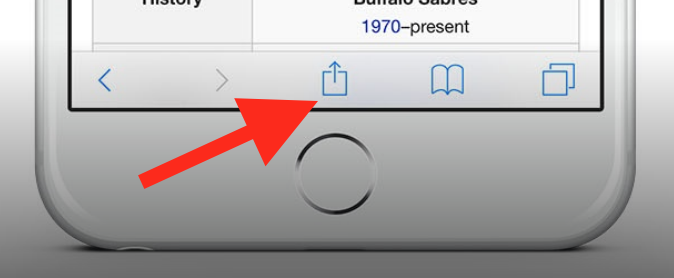
To add this web app to your homescreen, click on the "Share" icon
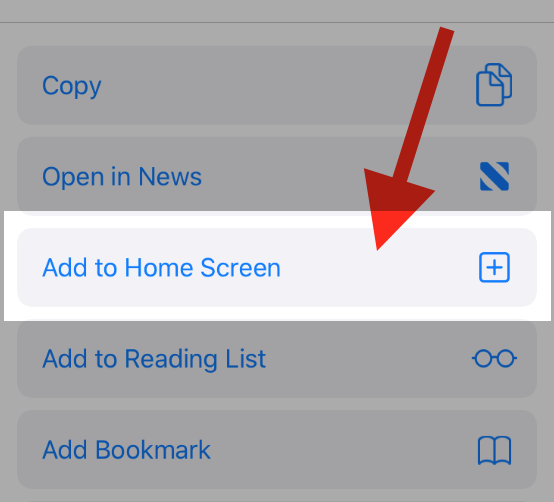
Then click on "Add to Home"
To add this web app to your homescreen, click on the "Share" icon
Then click on "Add to Home"
It looks like your browser doesn't natively support "Add To Homescreen", or you have disabled it (or maybe you have already added this web app to your applications?)
In any case, please check your browser options and information, thanks!
It looks like your browser doesn't natively support "Add To Homescreen", or you have disabled it (or maybe you have already added this web app to your applications?)
In any case, please check your browser options and information, thanks!