AI search is eating the search results — here's what every business needs to understand about AEO
If you're still optimizing for the 10 blue links, you're optimizing for a world that's shrinking by the month.
Let me walk through what's actually happening with AI search and Answer Engine Optimization, because most people are misunderstanding the scale and speed of this shift.
Traditional search has worked the same way for 25 years. Type a query, get 10 ranked links, scan through them, click the one that looks best. The business that ranked #1 got the most clicks.
AI search flips that entirely. Instead of 10 links, you get a synthesized answer drawn from 3-7 sources. The user reads the answer and often never clicks anything. The business gets cited — or it doesn't.
This is not a future prediction. This is happening right now.
ChatGPT handles 2 billion queries per day. 55% of Google searches already return an AI Overview. AI-referred traffic grew 527% year over year. Gartner predicts 25% of traditional search volume will shift to AI by end of 2026. Traditional search volume is literally declining. Companies that rely on organic traffic from 10 blue links need to understand that the total pool of those clicks is shrinking.
Here's what's different about AI search.
First: the number of citations per query is tiny. Traditional Google shows 10 results. AI Overviews cite about 3 unique domains per query. ChatGPT cites about 4-5. Perplexity about 5-6. AI Mode shows about 7 in the sidebar. That's it. 3-7 spots total.
But here's the counterintuitive part. AI-referred traffic converts at 14.2% versus 2.8% for traditional search. Five times higher. Why? Because the AI has already filtered. When ChatGPT recommends your business, the trust transfer is massive. The user is further down the funnel before they even click.
Second: AI pulls from different sources than traditional search. Google AI Mode only has 54% domain overlap with the traditional top 10. That means nearly half of the sites cited by AI Mode were not in the top 10 on Google. Optimizing solely for traditional rankings doesn't get you into AI citations. Perplexity has the highest overlap at 91%. ChatGPT has the lowest — it aligns more with Bing than Google. Every platform has its own citation behavior.
Third: the signals that matter are different. FAQ schema makes you 4x more likely to appear in AI citations. Content freshness gives you a 25.7% advantage over non-cited pages. Semantic HTML structure, clear question-answer formatting, and fast mobile load times all matter more than traditional backlinks and keyword density.
This is what Answer Engine Optimization is — structuring your content so AI systems can easily parse, understand, and cite it. It's not replacing SEO. It's a parallel discipline that sits alongside it.
What's happening to traditional search?
t's not dying but it's shrinking. The 10 blue links still exist. They still drive traffic. But a noticeable portion of queries now get an AI answer at the top that absorbs the click. The #1 organic result may still rank — but the CTR from an AI Overview query is lower because users get their answer without clicking.
Both Google and Microsoft have confirmed that AI answers reduce click-through rates on organic results. The traffic is shifting from clicks to citations.
The businesses adapting right now are doing three things:
1. Building fast, mobile-first websites (under 2.5s load time)
2. Adding FAQ schema with genuine customer questions and answers
3. Structuring content for citation rather than just ranking
The businesses not adapting are still chasing keyword density and link profiles like it's 2015.
The bottom line: AI search isn't coming. It's here. 55% of Google searches. 2 billion ChatGPT queries per day. 527% growth in referrals. The businesses that understand AEO now are building citation authority that will compound. The ones waiting will find fewer and fewer 10-blue-link slots left to compete for.

To add this web app to your homescreen, click on the "Share" icon
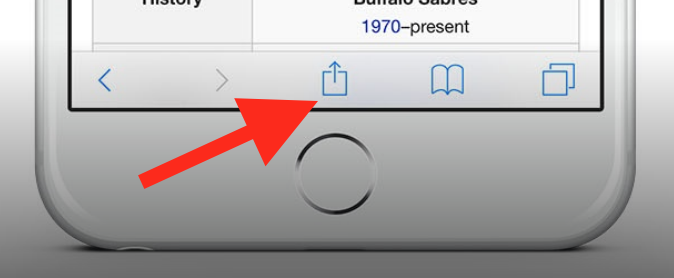
Then click on "Add to Home"
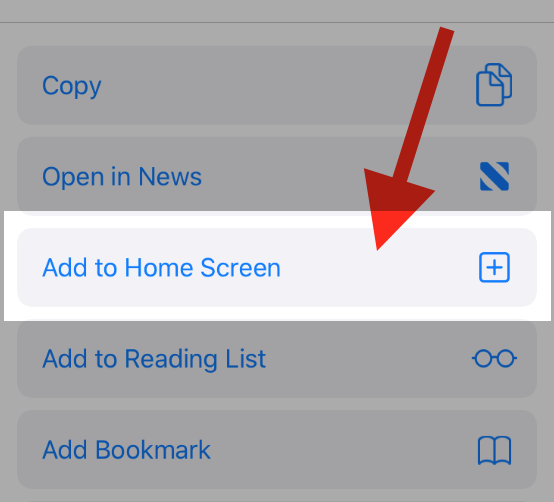
To add this web app to your homescreen, click on the "Share" icon
Then click on "Add to Home"
It looks like your browser doesn't natively support "Add To Homescreen", or you have disabled it (or maybe you have already added this web app to your applications?)
In any case, please check your browser options and information, thanks!
It looks like your browser doesn't natively support "Add To Homescreen", or you have disabled it (or maybe you have already added this web app to your applications?)
In any case, please check your browser options and information, thanks!
Feel Free To Share