Push notifications are the most underrated mobile marketing channel in 2026
Everyone's obsessed with email lists, social media algorithms, and SEO.
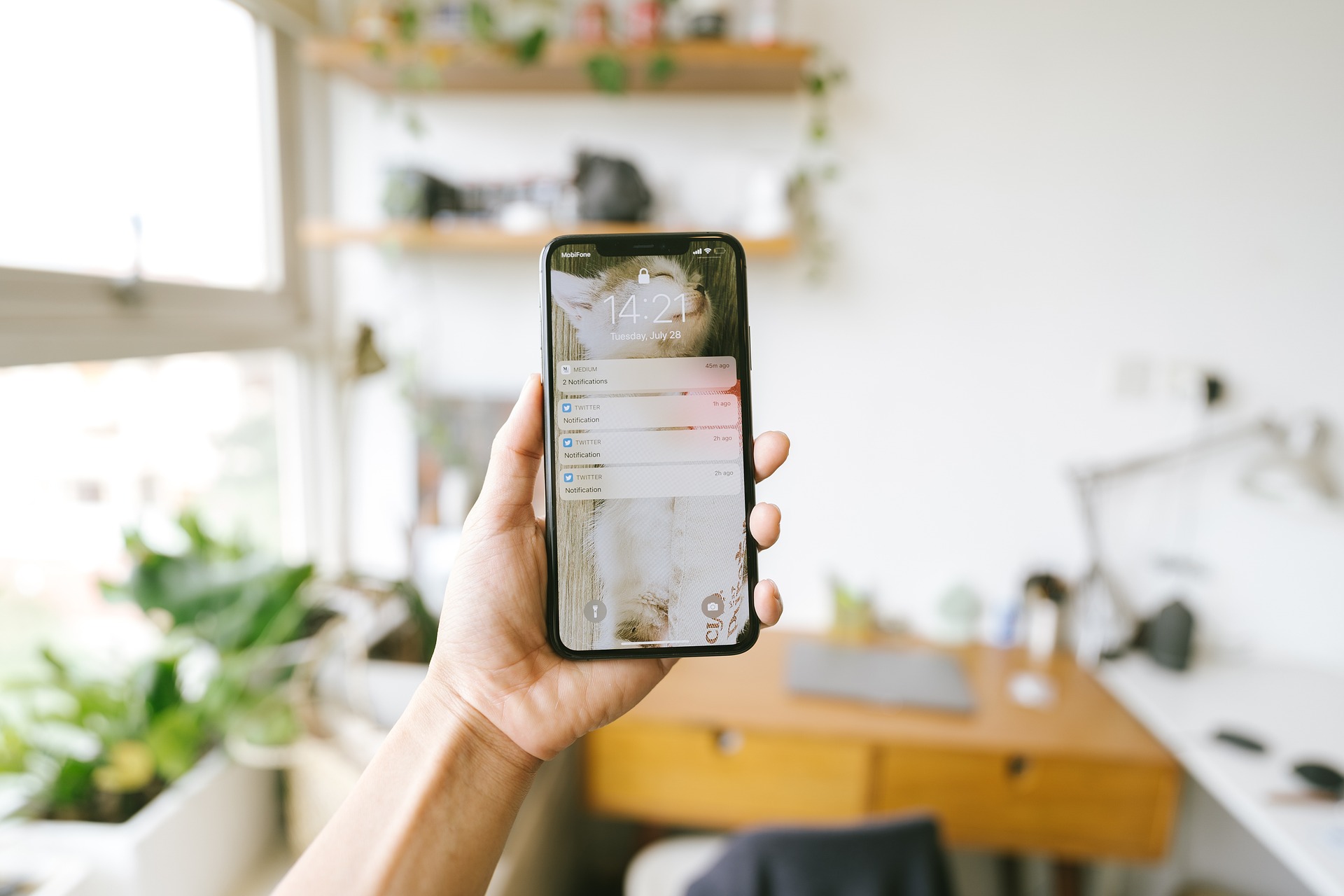
Meanwhile, the channel with the highest engagement rates sits right there on every phone screen — and most businesses barely use it. Push notifications.
Here's why they matter more than most people realize and why 2026 is the year they become essential.
First: the engagement numbers are absurd compared to every other channel.
Email marketing averages around 20-25% open rates. Social media organic reach is below 5% on most platforms. Push notifications? 80-90% opt-in rates on mobile web (with a good prompt) and click-through rates of 15-25% for well-targeted messages. On some verticals, CTR hits 40%.
That is not a typo. Fifteen to forty percent click-through compared to 2-3% for email.
Second: mobile push works with mobile-first design. 64% of web traffic is mobile. If you've already built a mobile-first site, you're halfway to push notifications working for you. The prompt appears naturally. The user opts in with one tap. Done. Compare that to building an email list where users have to open their mail app, type their address, confirm a double opt-in, and check a confirmation email. Push is frictionless by comparison.
And here's the part most people don't connect yet: push notifications and AI search optimization work together. When a user finds you through ChatGPT or Google AI Overviews, lands on your fast mobile-first site, and gets a smart push prompt at the right moment — that's a complete funnel from AI citation to repeat engagement.
Third: push is getting smarter.
It's not about blasting everyone with the same message anymore. Modern push platforms support behavioral triggers — user visited a pricing page but didn't convert? Send a push an hour later. User hasn't visited in 7 days? Re-engagement push. Abandoned cart? Push.
And with AI, push can get even more targeted. Segment by what users interacted with on your site. Time messages based on their timezone and behavior patterns. Test headlines the same way you'd test email subject lines.
Fourth: push notifications work for service businesses, not just e-commerce.
This is a common misconception. People think push is for retail and media. But a plumber can send a push about a seasonal pipe maintenance offer. A real estate agent can push new listings in a buyer's price range. A consultant can push a webinar reminder. A restaurant can push today's special.
If you have a mobile-first website and a service to offer, push notifications apply to you.
Fifth: list building is faster than email.
A good email list takes months or years to build. A push subscriber list with a well-timed prompt on a mobile-first site can hit thousands of subscribers in weeks. The opt-in barrier is one tap versus multiple steps for email.
The downside? Push is more intrusive if done badly. Users unsubscribe with one click too. So the strategy matters — valuable messages only, frequency caps, clear value in every notification.
But for businesses that get it right, push notifications are the highest-ROI channel available right now. Higher open rates, higher CTRs, faster to build, and native to the device where 64% of your traffic already comes from.
Anyone here using push notifications for their business? What kind of engagement numbers are you seeing?

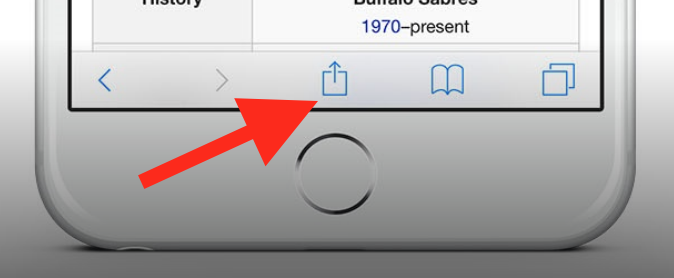
To add this web app to your homescreen, click on the "Share" icon
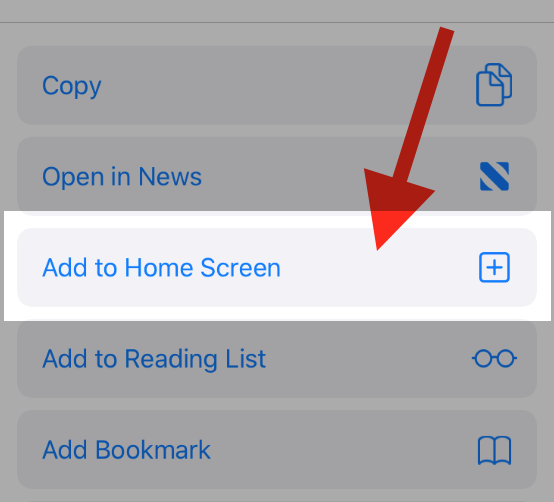
Then click on "Add to Home"
To add this web app to your homescreen, click on the "Share" icon
Then click on "Add to Home"
It looks like your browser doesn't natively support "Add To Homescreen", or you have disabled it (or maybe you have already added this web app to your applications?)
In any case, please check your browser options and information, thanks!
It looks like your browser doesn't natively support "Add To Homescreen", or you have disabled it (or maybe you have already added this web app to your applications?)
In any case, please check your browser options and information, thanks!