SEO And AI Search (AEO) Work Together
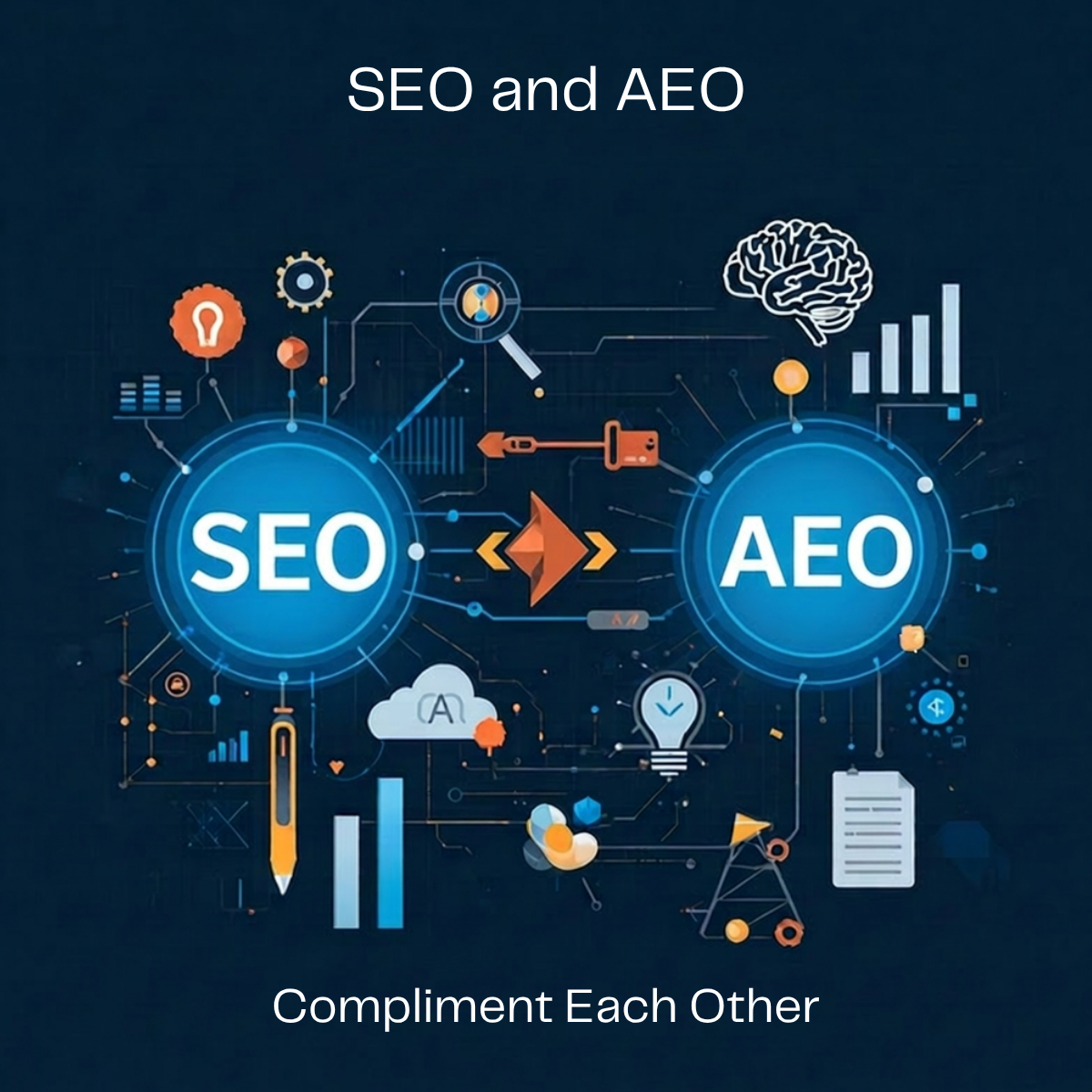
I keep hearing the same question from business owners: "If ChatGPT and AI Overviews just give people direct answers, why do I still need SEO?"
It sounds logical on the surface. If users get answers without clicking a link, why optimize for clicks?
But the assumption is wrong. AI search engines do not bypass SEO. They depend on it. Here is why your SEO investment is still the most important thing you can do for your online presence — even in a world of AI-generated answers.
AI Models Are Only as Good as Their Training Data
ChatGPT, Gemini, and Perplexity do not generate answers from nothing. They pull from existing content published on the web. When an AI model needs to answer a question, it searches through indexed web pages — the same pages that traditional SEO makes visible.
If your site is not optimized for search engines, it is not in the index. And if it is not in the index, AI models cannot cite it. SEO is what gets your content into the pool of sources that AI draws from. Without it, you are invisible to both humans and machines.
Authority Is Not Optional
AI models do not treat all sources equally. They prioritize websites with established authority — backlinks from reputable domains, clear brand signals, consistent content, and technical credibility. These are all traditional SEO metrics.
A brand-new site with zero backlinks and no authority will not get cited by AI, even if the content is excellent. A site with strong domain authority that has been publishing consistently for years will get cited every time. AI does not bypass the trust-building process. It enforces it more strictly.
Technical SEO Is the Gatekeeper
AI crawlers operate like Googlebot but with higher standards. They need:
- Fast load times — AI crawlers are impatient. Slow sites get fewer crawl cycles.
- Clean HTML structure — Proper heading hierarchy and semantic tags help AI extract meaning.
- Mobile-first design — AI uses mobile user agents. If your site is slow or broken on phones, AI models see that version.
- Schema markup — Structured data tells AI exactly what your page is about and how to use it.
These are not new requirements. They are the same technical SEO fundamentals that have mattered for years. AI search just makes them harder to ignore.
SEO Now Has Two Jobs Instead of One
Before AI, SEO had one job: get people to click your link. Now SEO has two jobs: get people to click your link and get AI to cite your content.
That is not a demotion. That is an expansion. The fundamentals are the same — authority, speed, structure, relevance — but the payoff is bigger because your content can appear both as a traditional search result and as an AI-generated answer.
Businesses that invest in SEO today are building for both channels. They still show up in Google search results. They also show up in ChatGPT citations. One investment. Two returns.
SEO did not become irrelevant because of AI. It became more important. The difference is that now you also need to be extractable — but that is a formatting upgrade, not a strategy replacement.

To add this web app to your homescreen, click on the "Share" icon

Then click on "Add to Home"
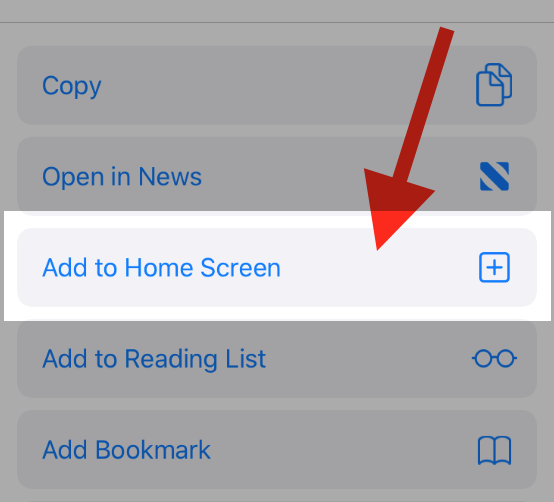
To add this web app to your homescreen, click on the "Share" icon
Then click on "Add to Home"
It looks like your browser doesn't natively support "Add To Homescreen", or you have disabled it (or maybe you have already added this web app to your applications?)
In any case, please check your browser options and information, thanks!
It looks like your browser doesn't natively support "Add To Homescreen", or you have disabled it (or maybe you have already added this web app to your applications?)
In any case, please check your browser options and information, thanks!